Steel Traditional Chinese Medicine Cabinets | Antique-Inspired Design, Built to Last
Antique-Inspired, Not Outdated”: The Aesthetic Fusion of Modern Steel Traditional Chinese Medicine Cabinets
In recent years, Traditional Chinese Medicine (TCM) clinics, pharmacies, and wellness centers have undergone a quiet but meaningful transformation. While the philosophy of TCM remains deeply rooted in thousands of years of history, the physical spaces where herbs are stored and dispensed are evolving. One of the clearest examples of this evolution is the modern steel traditional Chinese medicine cabinet—a product that looks “antique-inspired” on the surface, yet is thoroughly modern at its core.
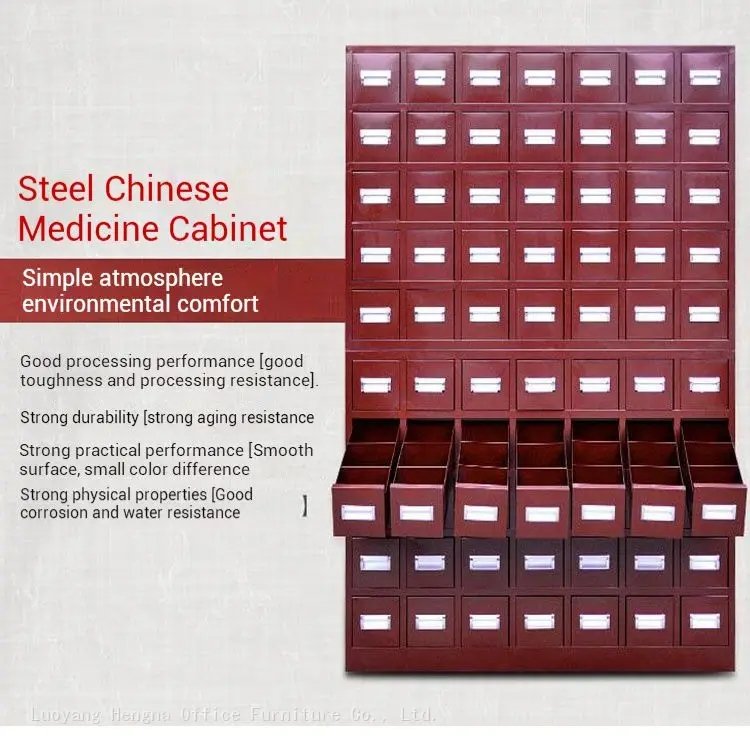
This is not simple nostalgia. It is not about copying old wooden traditional chinese medicine cabinets piece by piece. Instead, it is about aesthetic fusion: respecting traditional visual language while embracing modern materials, engineering, hygiene standards, and durability.
In this article, we explore why “antique-inspired” does not mean “outdated”, and how modern steel traditional chinese medicine cabinets successfully blend classical aesthetics with contemporary performance—creating storage solutions that meet today’s professional demands while preserving cultural identity.
1. The Problem with Pure “Retro”: Why Old-Style Traditional Chinese Medicine Cabinets No Longer Work
Traditional wooden medicine cabinets once defined the image of Chinese herbal pharmacies. However, in modern clinical and commercial environments, purely retro designs come with serious limitations.
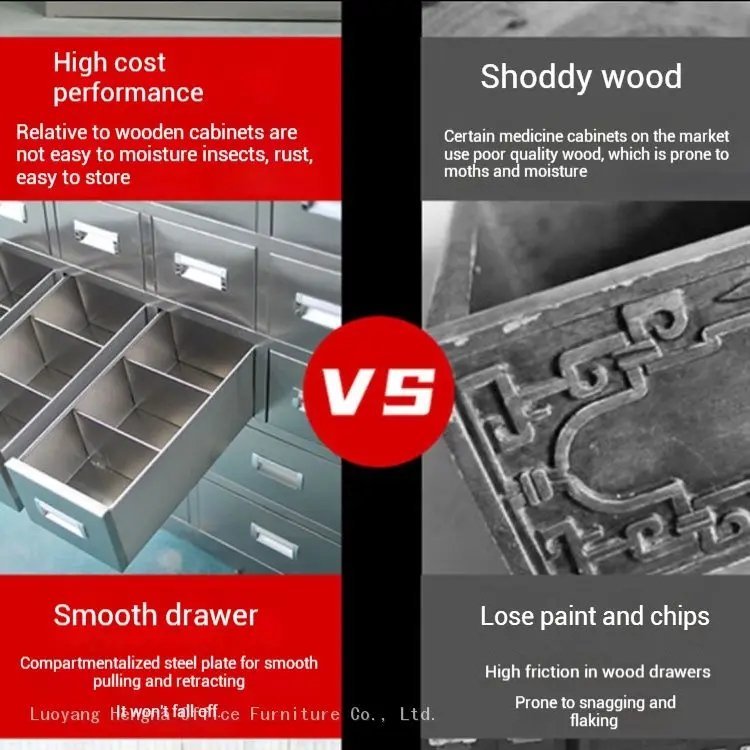
Common Issues with Traditional Wooden Cabinets
| Issue | Practical Impact |
|---|---|
| Susceptible to moisture | Herbs can become damp or moldy |
| Insect damage | Termites and pests threaten stored materials |
| Warping and cracking | Drawers jam, affecting efficiency |
| Difficult to clean | Hygiene standards are hard to maintain |
| Short lifespan | Frequent repairs or replacements |
While these traditional chinese medicine cabinets may look authentic, they often fail to meet modern expectations for hygiene, durability, and efficiency, especially in high-volume clinics or hospitals.
This is where modern steel traditional chinese medicine cabinets step in—not to erase tradition, but to redefine it.
2. “Antique-Inspired” Design: What Does It Really Mean?
An antique-inspired steel TCM cabinet does not aim to replicate the past exactly. Instead, it extracts the essence of traditional design and reinterprets it using modern technology.
Key Visual Elements Retained from Tradition
- Symmetrical drawer layouts
- Warm, classical color tones (such as antique red or dark brown)
- Clean, rectilinear proportions
- Minimalist ornamentation inspired by traditional joinery
What Is Deliberately Modernized
- Steel replaces wood for structural integrity
- Powder-coated finishes replace lacquer or raw paint
- Precision rails replace wooden slide tracks
- Modular internal layouts improve organization
The result is a cabinet that feels traditional at first glance, but performs like modern medical furniture.
3. Why Steel Is the Ideal Modern Foundation
Steel is not a compromise—it is an upgrade.
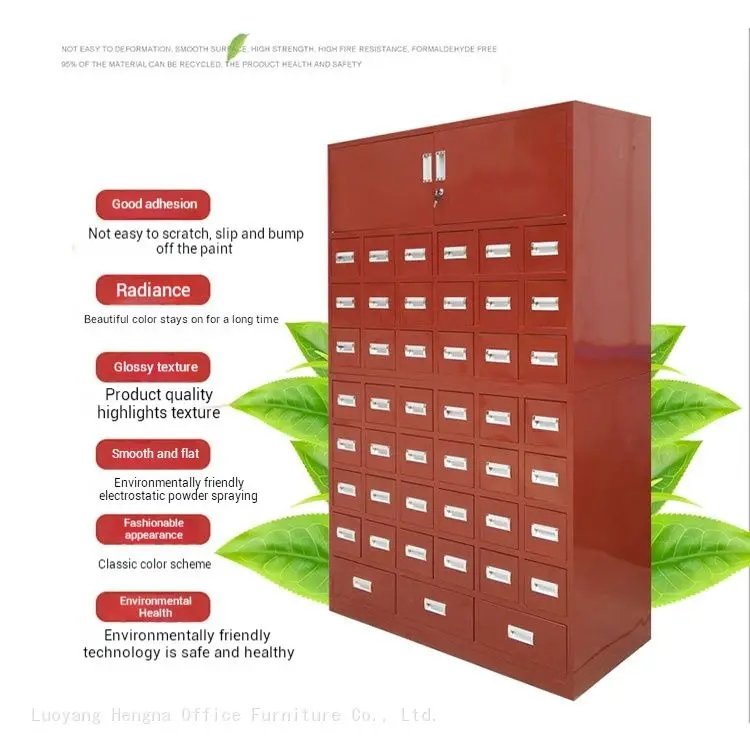
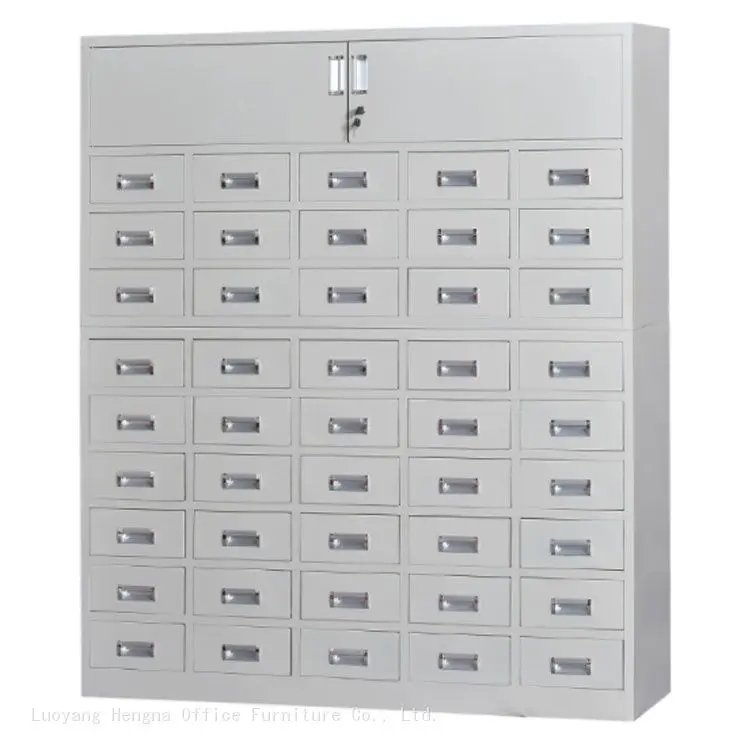
Advantages of Steel in traditional chinese medicine cabinets
1. Structural Stability
Cold-rolled steel maintains its shape over decades, preventing drawer misalignment.
2. Moisture and Pest Resistance
Unlike wood, steel does not absorb moisture and cannot be eaten by insects.
3. High Load Capacity
Steel cabinets easily support large quantities of herbs without deformation.
4. Long-Term Cost Efficiency
Lower maintenance, fewer replacements, longer service life.
When combined with antique-inspired finishes, steel becomes an invisible hero—supporting tradition without competing with it visually.
4. Powder Coating of Steel Traditional Chinese Medicine Cabinets: The Bridge Between Beauty and Performance
One of the most important elements in aesthetic fusion is powder coating.
Powder coating is not just decorative—it is functional.
How Powder Coating Enhances Aesthetics
- Smooth, even color consistency
- Matte or satin textures that mimic traditional finishes
- Resistance to fading over time
- Custom color matching for clinic branding or interior design
Functional Benefits
- Scratch and abrasion resistance
- Easy cleaning with a damp cloth
- No VOCs (eco-friendly and safe for medical environments)
- Strong adhesion to steel surfaces
This technology allows modern steel traditional chinese medicine cabinets to look warm and traditional, without sacrificing durability.
5. Hardware Matters: Modern Details That Stay Visually Quiet
A key principle of aesthetic fusion is this: modern functionality should not visually dominate.
Examples of Thoughtful Hardware Integration
- Aluminum alloy handles with simple, understated shapes
- Hidden or low-profile precision rails for smooth drawer operation
- Stainless steel label slots that are clean and professional
- ABS adjustable feet that remain discreet while improving stability
These components dramatically improve usability, yet remain visually subtle—allowing the cabinet’s overall traditional character to remain intact.
6. Internal Design: Where Modern Logic Truly Shines
While the exterior honors tradition, the interior is unapologetically modern.
Smart Internal Features
- Fully enclosed drawers to prevent contamination
- Internal compartment dividers for organized herb storage
- Smooth-glide rails for quiet, efficient dispensing
- Clear labeling systems for fast identification
This internal modernization significantly improves workflow, especially in busy environments where accuracy and speed are critical.
7. Aesthetic Fusion in Different Use Scenarios
TCM Clinics and Consultation Rooms
- Need a calm, trustworthy atmosphere
- Cabinets reinforce professional credibility
- Antique-inspired design reassures patients
Hospital Pharmacies
- Require hygiene, durability, and efficiency
- Steel construction meets institutional standards
- Traditional look maintains cultural continuity
Retail Herbal Shops
- Cabinets act as both storage and visual branding
- Customers associate traditional aesthetics with authenticity
- Modern structure ensures long-term use
Teaching and Research Institutions
- Frequent use demands durability
- Clear organization supports education
- Visual tradition reinforces cultural learning
8. “Antique-Inspired” as a Branding Strategy
For many TCM businesses, furniture is not just functional—it is part of the brand story.
A modern steel cabinet with traditional aesthetics communicates:
- Respect for heritage
- Commitment to quality
- Professionalism and reliability
- Readiness for modern healthcare standards
This combination builds trust with patients, students, and partners alike.
9. Sustainability: A Modern Value Hidden in Traditional Form
Modern steel traditional chinese medicine cabinets also align with sustainability goals:
- Longer lifespan reduces resource consumption
- Powder coating produces minimal waste
- Steel is recyclable
- Reduced need for chemical pest treatments
This makes them an environmentally responsible choice—an often-overlooked benefit.
10. Choosing the Right Aesthetic Fusion Cabinet: A Quick Checklist
Before purchasing, consider:
- ✔ Steel thickness and build quality
- ✔ Powder-coated, non-toxic finish
- ✔ Drawer rail smoothness and durability
- ✔ Adjustable feet for uneven floors
- ✔ Internal compartment design
- ✔ Visual harmony with clinic interior
A well-designed cabinet should feel quietly confident, not flashy.
Conclusion: Tradition, Refined—Not Repeated
Modern steel traditional Chinese medicine cabinets prove that honoring the past does not require living in it. By blending antique-inspired aesthetics with modern materials and engineering, these cabinets offer the best of both worlds:
- The visual warmth of tradition
- The performance and reliability of modern industry
They are not “retro.”
They are timeless, functional, and forward-looking.
In today’s TCM spaces, true authenticity is not about copying history—it’s about carrying its spirit forward with intelligence and care.