Why Museums and Art Galleries Are Quickly Shifting to Electronic Storage Lockers?
A Practical and Smart Upgrade for Modern Cultural Spaces
Museums and art galleries are no longer static, quiet spaces visited only by a small group of art lovers. Today, they are dynamic public venues that host large crowds, international tourists, school groups, special exhibitions, and cultural events. With this transformation comes a growing need for better visitor management, higher security standards, and more efficient facility operations.
One of the most visible changes in modern museums and galleries is the replacement of traditional cloakrooms and key-based lockers with electronic storage lockers. This shift is not driven by technology trends alone—it is the result of practical operational challenges and rising expectations from both visitors and administrators.
So why are museums and art galleries increasingly choosing electronic locker systems? The answer lies in a combination of security, efficiency, visitor experience, and long-term cost control.
1. Increasing Visitor Volume Is Driving the Need for Smarter Storage
Museums and art galleries worldwide are experiencing steady growth in visitor numbers. Major exhibitions, social media exposure, and cultural tourism have significantly increased foot traffic.
Common visitor profiles today include:
- Tourists carrying backpacks or small suitcases
- Families with strollers and personal belongings
- Students arriving in groups
- Photography enthusiasts with camera equipment
Traditional storage solutions struggle to keep up with this demand.
Limitations of traditional storage methods:
- Manual check-in causes long queues during peak hours
- Staff shortages lead to delays and frustration
- Physical keys are frequently lost or mixed up
- Storage capacity is difficult to scale
Electronic storage lockers eliminate these bottlenecks by allowing visitors to store and retrieve items independently. Self-service access speeds up entry, reduces congestion, and improves overall crowd flow—especially during busy periods.
2. Stronger Security for Artworks and Exhibition Spaces
Protecting valuable artworks and historical artifacts is one of the core responsibilities of any museum or art gallery. Large bags, umbrellas, and bulky personal items increase the risk of:
- Accidental damage to exhibits
- Blocked emergency exits
- Crowded and unsafe exhibition halls
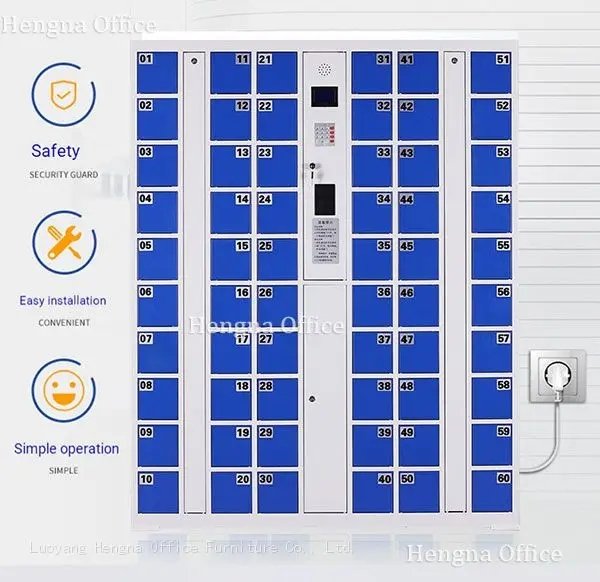
Electronic locker systems support stricter safety policies by encouraging or enforcing the storage of personal items before visitors enter exhibition areas.
Security benefits of electronic lockers:
- Controlled access to stored items
- Reduced risk of unattended bags
- Digital usage records for traceability
- Lower reliance on human supervision
Compared to open storage or key-based lockers, electronic systems provide a higher level of accountability and control, which is critical in high-value cultural environments.
3. Enhancing the Visitor Experience Through Self-Service Design
Modern visitors expect museums and galleries to offer the same level of convenience they experience in airports, hotels, and shopping centers. Long waiting times and complicated storage procedures negatively affect the overall visit.
Electronic storage lockers improve the visitor experience by offering:
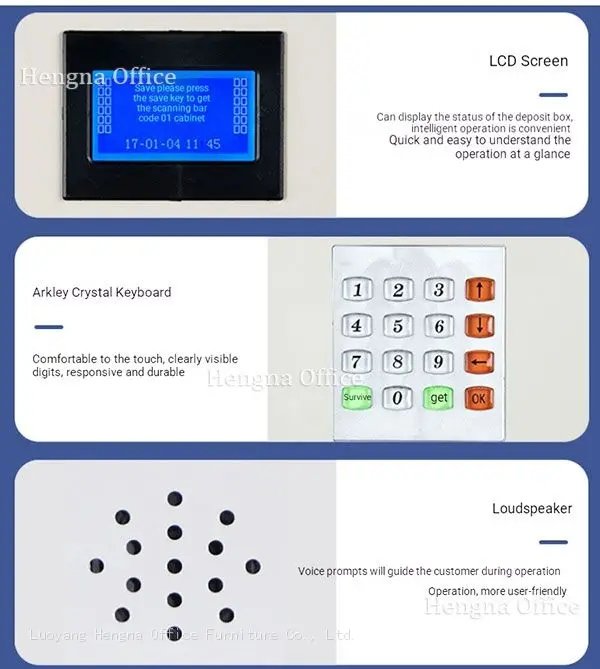
- Simple, intuitive interfaces
- Multilingual operation for international guests
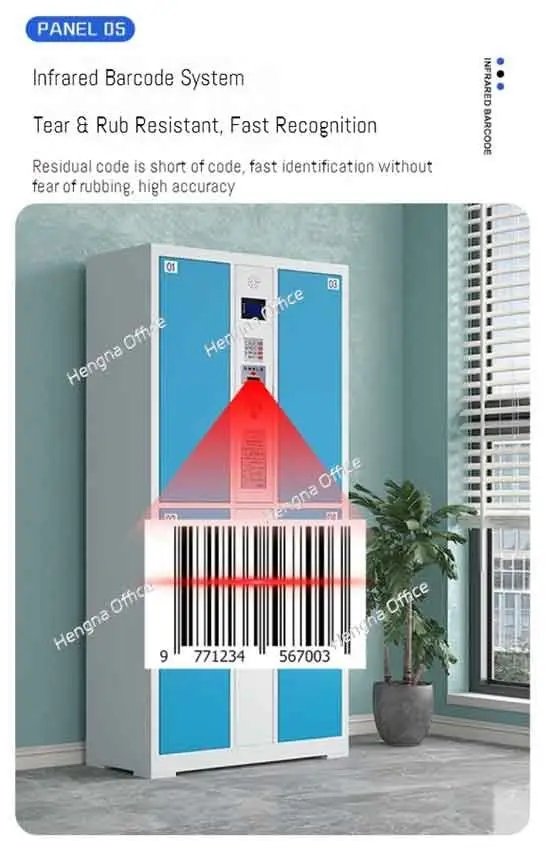
- Fast access using QR codes, barcodes, PINs, or cards
- No need to carry or return physical keys
By removing friction at the entrance, electronic storage lockers help visitors focus on what truly matters—the exhibition itself.
4. Reducing Staffing Pressure and Operational Costs
Many museums and art galleries operate with limited staff and strict budgets. Traditional cloakrooms and staffed storage counters require continuous supervision, training, and scheduling.
Electronic storage lockers significantly reduce this burden.
| Aspect | Traditional Storage | Electronic Storage Lockers |
|---|---|---|
| Staffing needs | High | Low |
| Human error | Frequent | Minimal |
| Maintenance | Manual | System-managed |
| Peak-hour efficiency | Low | High |
| Long-term cost | Rising | Predictable |
While electronic lockers involve an initial investment, they quickly prove cost-effective by lowering labor expenses and improving operational efficiency over time.
5. Data Visibility and Smarter Facility Management
One major advantage of electronic locker systems is their ability to generate valuable operational data. Unlike traditional storage, electronic lockers provide insights that help administrators make informed decisions.
Museums and galleries can:
- Track locker usage patterns
- Identify peak visitor times
- Optimize locker layout and quantity
- Plan future expansions or upgrades
This data-driven approach supports continuous improvement and ensures that storage facilities evolve alongside visitor demand.
6. Supporting Smart Museum and Digital Transformation Strategies
Many cultural institutions are actively adopting the concept of the “smart museum”, where technology enhances accessibility, efficiency, and engagement.
Electronic storage lockers integrate seamlessly into this vision by:
- Connecting with ticketing and access control systems
- Supporting centralized facility management
- Aligning with broader smart building initiatives
In modern museum planning, electronic lockers are no longer standalone units—they are part of a fully connected visitor management ecosystem.
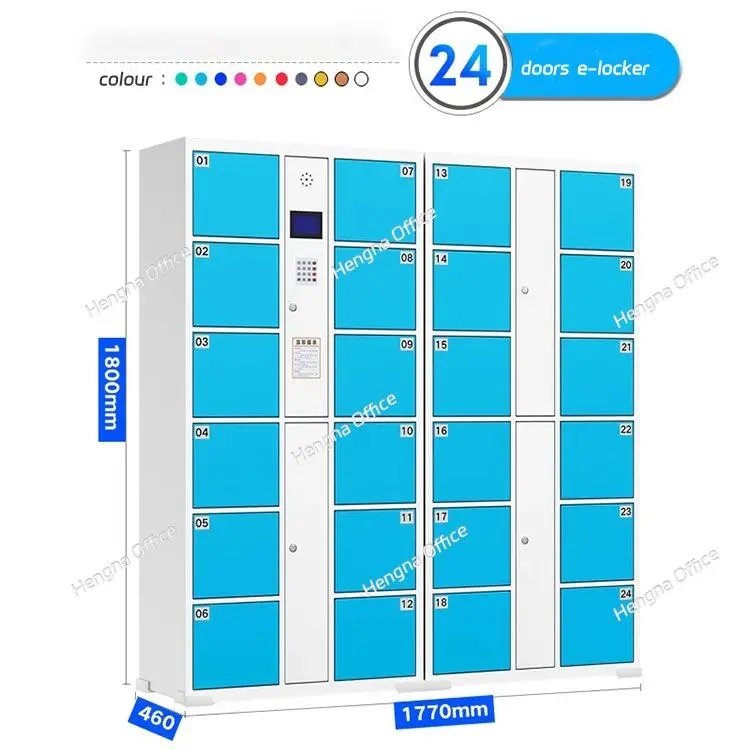
7. Flexible Solutions for Different Types of Cultural Spaces
Museums and art galleries vary widely in size, theme, and architectural style. One of the key reasons electronic lockers are gaining popularity is their flexibility and customization options.
Electronic locker systems can be adapted for:
- Contemporary art galleries requiring clean, minimalist designs
- History museums prioritizing durability and stability
- Science museums emphasizing interactive, technology-driven experiences
- Temporary exhibitions needing modular or mobile solutions
Customization options typically include:
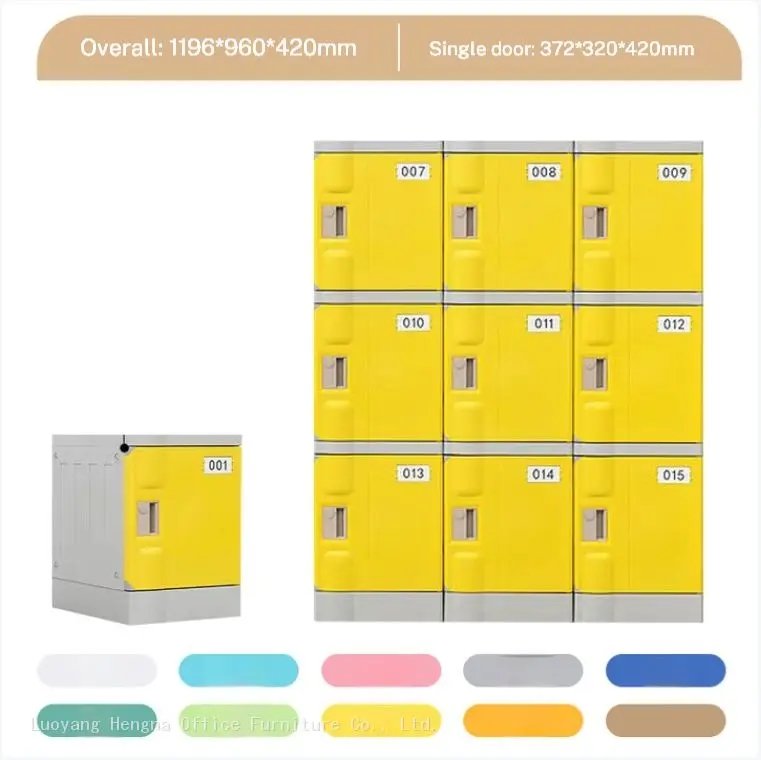
- Locker size and configuration
- Cabinet quantity
- Color matching with interior design
- Indoor or semi-outdoor installation
This flexibility ensures that lockers enhance—not disrupt—the overall environment.
8. Improved Hygiene and Contactless Operation
Public awareness of hygiene has increased significantly in recent years. Visitors now pay closer attention to cleanliness and shared surfaces in public spaces.
Electronic storage lockers support safer environments by:
- Enabling contactless operation
- Reducing physical interaction with staff
- Minimizing shared touchpoints
This is especially important in high-traffic cultural institutions, where visitor comfort and trust are closely tied to perceived cleanliness.
9. Meeting Expectations of International Visitors
Museums and galleries with international audiences must accommodate visitors from different cultural and linguistic backgrounds. Electronic locker systems offer clear advantages:
- Multilingual user interfaces
- Universal symbols and instructions
- Familiar self-service operation
For international tourists, electronic storage lockers provide a sense of familiarity and reassurance, making their visit smoother and more enjoyable.
10. From Optional Amenity to Essential Infrastructure
Electronic storage lockers were once seen as optional upgrades. Today, they are increasingly viewed as essential infrastructure in modern museums and art galleries.
Key drivers behind this shift include:
- Rising visitor numbers
- Higher security expectations
- Pressure to improve efficiency
- Long-term cost considerations
- Alignment with smart facility standards
For new construction projects and renovation plans, electronic lockers are now often included during the initial design phase, rather than added later.
Conclusion: A Smart Investment for the Future of Cultural Spaces
The move toward electronic storage lockers reflects a broader transformation in how museums and art galleries operate. These systems improve security, enhance visitor experience, reduce operational strain, and support digital management strategies.
As cultural institutions continue to modernize, electronic storage lockers offer a future-ready solution that balances practicality with innovation. For museums and galleries seeking to meet the expectations of today’s visitors while preparing for tomorrow’s challenges, the transition to electronic lockers is not just a trend—it is a strategic decision.