Heavy Duty Tool Cabinet for Auto Shop: Why Rust-Resistant Steel Still Beats Painted Metal
Humidity, grease, and chemical exposure in an auto repair shop are on a different level from what most people imagine. A body shop has metal dust floating in the air. A paint booth area vents solvent fumes. Hydraulic lift bays splash oil three times a shift. When it comes to heavy duty tool cabinets for auto shops, plenty of owners have learned the same lesson the expensive way: year one, the painted metal cabinet looks fine. Year two, the door hinges start rusting. Year three, a drawer seizes shut. Year four, the whole unit gets scrapped and replaced.
This isn’t about spec sheets. This is about what actually happens after a few years of daily use, and why rust-resistant steel and painted sheet metal end up in completely different places.
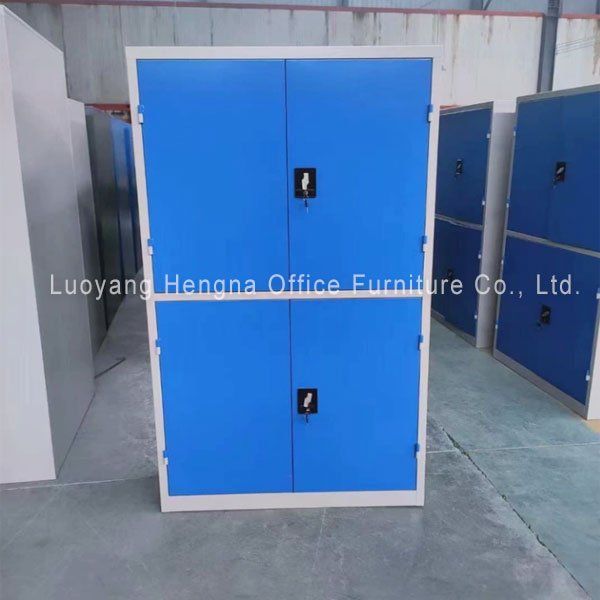
Heavy Duty Tool Cabinet for Auto Shop——Rust-Resistant Steel vs Painted Metal: Three Years in a Real Auto Shop
Here’s how both materials hold up under actual shop conditions — not lab data, not catalog claims.
| What happens | Rust-Resistant Steel Tool Cabinet | Painted Metal Tool Cabinet |
|---|---|---|
| Engine oil splashes on it | Wipe with a rag, no trace left | Soaks into the paint, permanent stain won’t wash out |
| Carb cleaner hits the surface | No reaction | Paint turns white, blisters within a day |
| Brake fluid drips into hinges | Doesn’t affect the surface | Strips lubricant film, hinges start squeaking within months |
| Battery acid contacts the panel | Wipe and rinse, surface intact | Burns straight through the paint to bare metal |
| Welding slag lands on it | No damage | Burns a hole through the paint, rust spot forms |
| Humid season, floor constantly wet | No effect | Bottom frame rust starts peeling |
| Year three door hinges | Open and close like day one | Stiff, some seized solid |
| At the five-year mark | Still in service | Probably on its second replacement |
| Design life | 15 years | No stated design life — in practice, 3 to 5 years |
Why Painted Metal Cabinets Can’t Handle Auto Shop Conditions
The fundamental problem with painted cabinets is simple: once the paint layer gets breached, rust starts at that exact spot and spreads. In an auto repair shop, impacts happen dozens of times a day. A socket wrench drops on it. A tire leans against the side. A lift arm scrapes past. Each impact chips a little more paint off, and each chip exposes raw steel.
Then there’s the moisture. Auto shop floors are wet more often than dry — washing down bays, dripping vehicles, humid summer air that condenses on every metal surface overnight. Bare steel plus constant moisture equals rust within a year. That’s not a maybe. That’s chemistry.
The chemicals are the part most first-time buyers miss entirely. Three common auto shop fluids attack painted surfaces in three completely different ways:
Carb cleaner dissolves paint binders. It’s an organic solvent — spray it near a painted cabinet, the overspray lands, and the next morning the paint has turned white and blistered. You can’t buff that out. The paint layer is chemically broken.
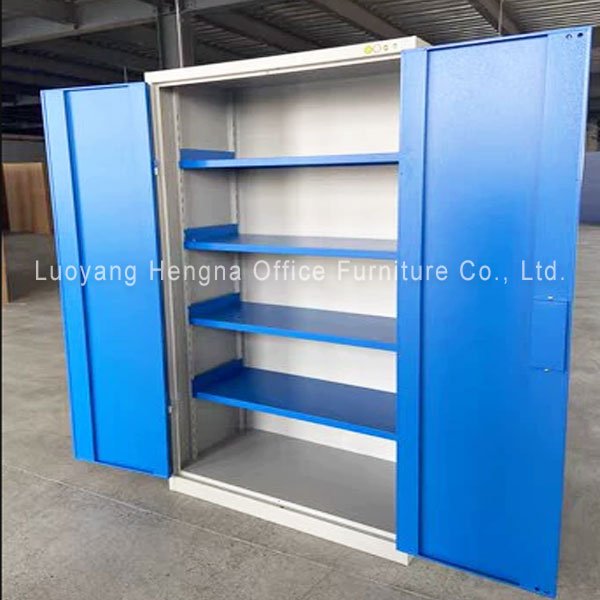
Brake fluid doesn’t dissolve paint — it strips lubricant. It’s glycol-based and hygroscopic, meaning it pulls moisture in and holds it. When it seeps into door hinges and drawer slides, it washes away whatever lubricant was there and replaces it with a film that attracts water. Within months, hinges groan. Within a year, some seize completely.
Battery acid is the most direct. Even a small splash from a cracked case or a terminal cleaning job burns through paint to bare metal in hours. Once the steel underneath is exposed, rust follows in days.
A rust-resistant steel cabinet handles all three differently because the protection isn’t a coating on top — it’s a chemical passivation treatment that goes into the steel surface itself. Oil wipes off. Carb cleaner rinses away without attacking the surface. Brake fluid doesn’t find a paint layer to strip. Battery acid gets neutralized with a quick water rinse. The rust resistance isn’t in a layer that can chip off — it’s in the material.
An Auto Repair Chain in Guangzhou Figured This Out the Hard Way
In 2022, a six-bay auto repair chain in Guangzhou replaced all their tool storage at once. They’d been running standard painted metal cabinets across their service bays. The pattern was the same everywhere: doors developing rust spots by the second year, two cabinets with drawers seized completely by year three — tools locked inside, had to be cut open with a saw. Average lifespan per painted cabinet: under four years.
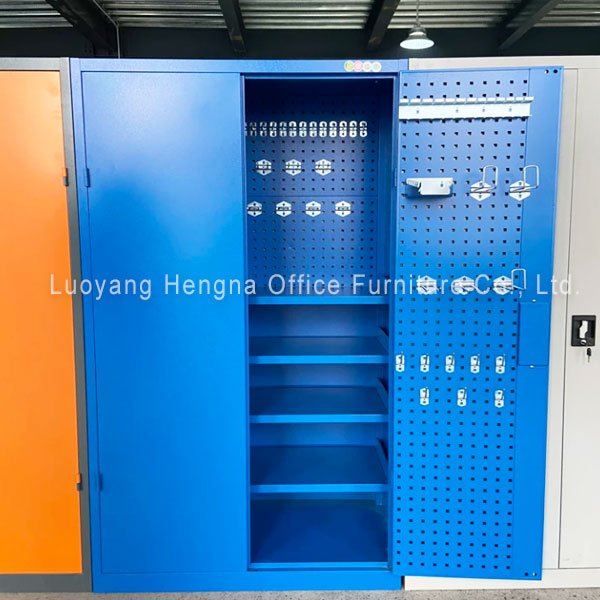
They switched to 1800×1000×500mm rust-resistant steel cabinets, 3-drawer configuration with individual drawer locks for diagnostic tools and torque wrenches.
Two years later, the update was simple: every door hinge still smooth, every drawer sliding clean, zero rust spots on any surface. The shop manager’s summary: “Two painted cabinets cost more than one rust-resistant unit, and you don’t have to repair either one.”
That’s the real math for an auto shop heavy duty tool cabinet. Don’t compare unit prices. Compare five-year total cost — purchase price plus replacement cycles plus the downtime when a drawer jams shut and your techs can’t reach their tools.
Three Checks Before You Buy for an Auto Shop
One: what’s on the surface, not just what color it is. A painted cabinet can look great on day one. That’s the trap. Ask the supplier: “What’s the surface treatment?” If the answer is “paint,” move on. If it’s “rust-resistant passivation treatment,” keep talking. The difference isn’t visible on a showroom floor — it shows up in year two and three.
Two: look at the hinges and drawer slides. Auto shop cabinets get opened and closed constantly — not a few times a day like an office filing cabinet. Hinges should be stainless steel, not painted mild steel that rusts inside the joint where you can’t see it. Drawer slides should run on bearings, not bent sheet metal tabs that deform after three months of daily use.
Three: get locking drawers. Auto shop tools aren’t cheap and they aren’t generic. Diagnostic scanners, torque wrenches, specialty pullers — these walk away if they’re not secured. Three drawers with individual locks means you assign responsibility per drawer, per shift. Monthly inventory stops being a scavenger hunt.
Questions Auto Shop Owners Keep Asking
Is it worth buying painted cabinets first to save money?
For the first year, sure — they work. The problem starts in year two. A rust-resistant cabinet is engineered for 15 years. A painted cabinet in an auto shop realistically lasts 3 to 5. Run the five-year math: the rust-resistant unit almost always comes out cheaper on total spend, and you skip the mid-cycle disruption of replacing cabinets while the shop is running.
Can I use a rust-resistant cabinet in a body shop?
Yes. Body shops produce metal dust and welding slag all day long. Painted surfaces get peppered with burn marks that turn into rust spots. Rust-resistant steel doesn’t burn through from slag contact. The surface stays intact.
Does the 1800×1000×500mm size fit a standard auto service bay?
It does. That footprint is designed around standard pallet dimensions — it sits flush against the wall and leaves walkway clearance along the side. Most bays can accommodate one cabinet per lift without crowding.
Can I customize the configuration for my shop layout?
Yes. OEM and ODM orders are standard — drawer heights, internal layout, color, and lock type are all adjustable. Send your bay floor plan and we’ll match the configuration to your workflow.
How do these ship internationally?
Moisture-resistant film wrap plus four corner protectors. Standard sea freight, no crate required. No damage claims on this packaging setup. CE certified across the product line.
Bottom Line
If your painted cabinets are already showing rust on the hinges or the bottom frame, you’ve seen the first warning sign. It doesn’t slow down from there — it accelerates. When you’re ready to replace them, put surface treatment ahead of sticker price in your decision order.
We’re a manufacturer-direct supplier — no trading desk, no middleman markup. Send us your shop dimensions and requirements. Quote back within 24 hours.