How Many Lockers Per Employee? A Facility Manager’s Planning Guide for 2026
You bought 200 lockers. Only 120 employees actually use them. The other 80 collect dust, take up space, and your boss asks why you overspent by 30%.
This is not uncommon. In over 50 factories and offices we have supplied, more than 60% of procurement managers overestimate locker demand. They buy one locker per person on the payroll, or copy someone else’s layout, and end up wasting budget without solving the real problem.
So how many lockers do you actually need? The answer is not one per employee.
Different Work Patterns Need Different Locker Ratios
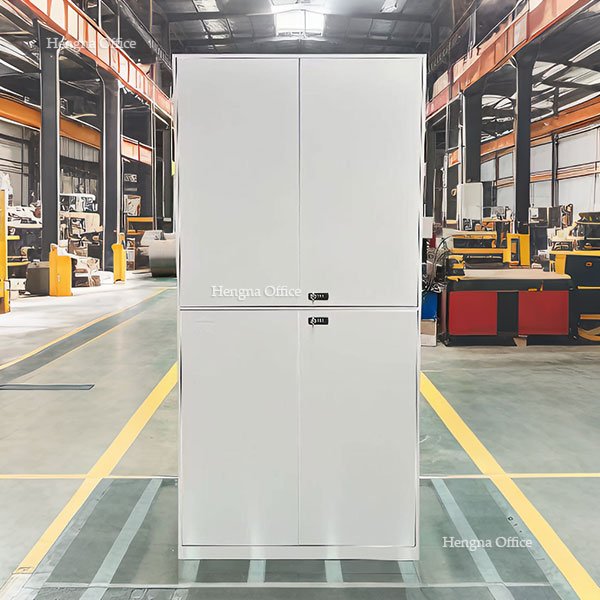
Factory Floors: 0.6 to 0.7 lockers per employee
Three-shift factories do not need one locker per worker. If you have 50 people on the morning shift, 50 on the afternoon shift, and 50 on the night shift, your peak headcount is 50, not 150. Buy for peak occupancy plus 10% buffer. A 150-person factory needs about 100 to 110 lockers.
Offices with Assigned Desks: 0.8 to 1.0
If every employee has a permanent desk, you can go close to 1:1. But many offices have shifted to hot-desking or hybrid models, which changes the math.
Hybrid Offices: 0.4 to 0.6
Employees who come in two or three days a week do not need a dedicated locker. Buy for 60% of your headcount. A 100-person hybrid team needs about 60 lockers.
Warehouses and Logistics: 0.5 to 0.6
Warehouse workers typically use changing rooms but do not need long-term personal storage. Buy for 50 to 60% of your peak shift, with extra capacity for seasonal workers.
Three Common Mistakes That Waste Your Budget
Mistake 1: Counting total headcount instead of peak shift
You have 300 employees on paper, but only 200 are on-site at any time. Buying 300 lockers means 100 sit empty. Always calculate based on peak simultaneous occupancy, not your total roster.
Mistake 2: Forgetting capacity buffer
New hires, temporary staff, seasonal peaks — these are real scenarios. Add 10 to 15% extra on top of your peak headcount calculation.
Mistake 3: Ignoring what employees actually store
A factory locker and an office locker serve different purposes. Factory workers need space for work clothes, shoes, and personal items — one locker may not be enough. Office workers usually just need a bag and a jacket.
A Simple Formula for Locker Quantity
Locker quantity = Peak headcount × Usage ratio × 1.1 (buffer)
Here is how it works for different scenarios:
- Three-shift factory: Peak headcount × 0.6 × 1.1
- Fixed-desk office: Peak headcount × 0.9 × 1.1
- Hybrid office: Peak headcount × 0.5 × 1.1
- Warehouse: Peak headcount × 0.5 × 1.1
Example: Your factory has 200 employees across three shifts. Peak on-site is 80 people.
Locker quantity = 80 × 0.6 × 1.1 = 53 lockers
If you buy double-tier lockers (two compartments per unit), you only need 27 locker bodies. That saves floor space and budget.
Choosing the Right Locker Size
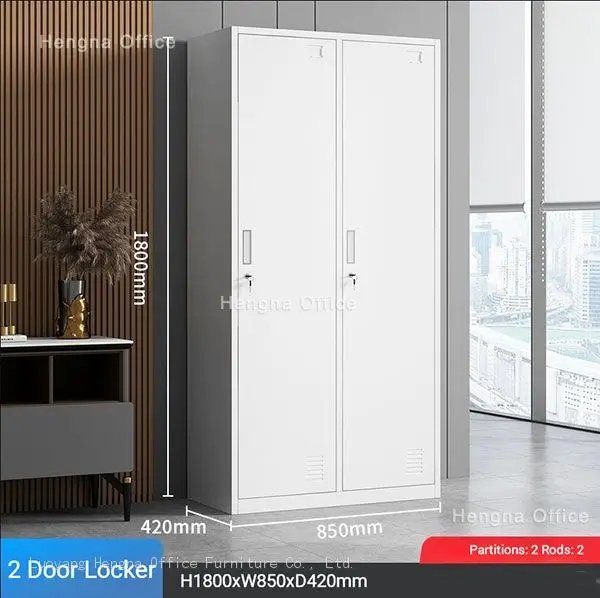
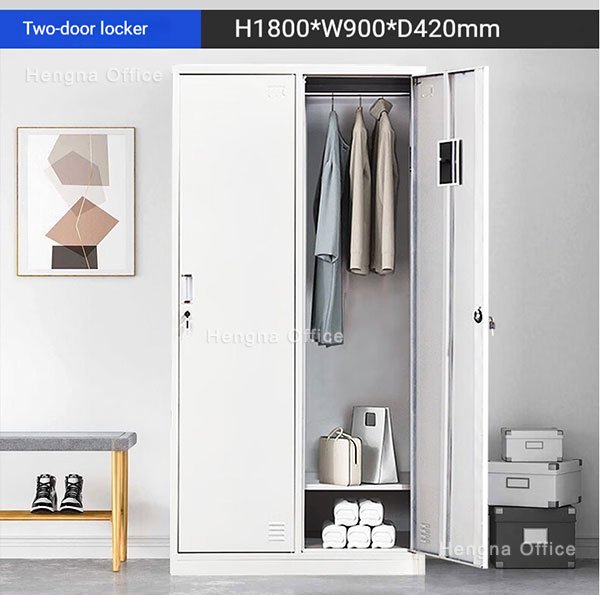
- Full-height single tier (W300 × D450 × H1800mm): Fits work clothes, shoes, and personal items. Best for factory changing rooms.
- Double tier (W300 × D450 × H900mm): Fits bags and jackets. Best for offices.
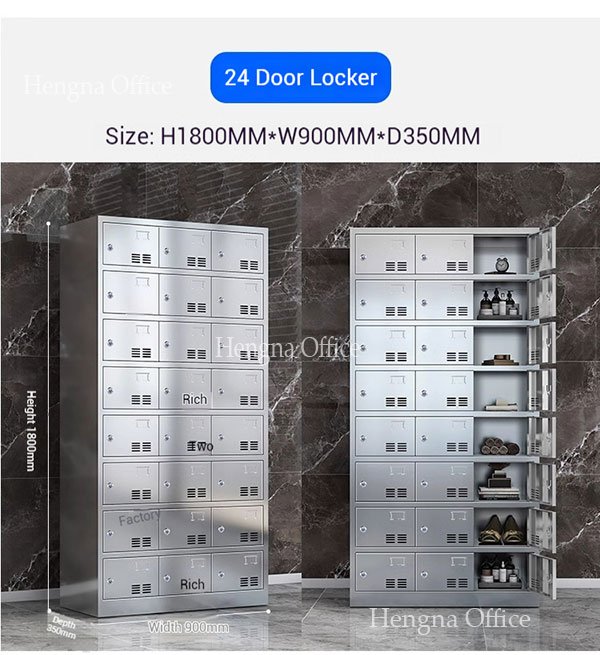
- Multi-tier (W300 × D450 × H600mm): Fits valuables only. Best for gyms and pools.
Factory changing rooms work best with full-height single-tier lockers if you have the ceiling clearance. Offices should use double-tier units to save space.
Material Selection: Do Not Just Look at Price
- Cold-rolled steel: Most common, best value for dry environments. 0.8mm thickness is the industry standard; anything below 0.6mm dents easily.
- Stainless steel: Costs two to three times more but resists corrosion. Required for food factories, hospitals, and coastal facilities.
- ABS plastic: Moisture-proof and rust-proof. Ideal for swimming pools, water parks, and coastal areas. Priced between steel and stainless, with a longer lifespan.
- HPL (High-Pressure Laminate): Most expensive but most durable. Growing in popularity for schools and sports facilities because it resists graffiti and cleans easily.
Five Questions to Ask Before You Order
- What is your peak on-site headcount? Not your total employee count.
- What do employees need to store? Just phones, or full work gear including shoes?
- What is the humidity level? Humid environments require stainless steel or ABS.
- Do you have installation clearance? Lockers need 600mm of space in front for door swing.
- Is your budget one-time or phased? Phased procurement must match model, color, and finish across batches.
Frequently Asked Questions
What if employees complain there are not enough lockers?
First check whether some lockers are being used as long-term personal storage. In many factories, employees claim a locker and rarely use it but refuse to give it up. Regular audits and redistribution often solve the problem without buying more units.
Do steel lockers need maintenance?
Inspect hinges and locks every three months. Do a deep clean once a year. If the powder coating gets chipped, touch it up immediately — rust starts at the damage point and spreads fast.
Can I order custom sizes?
Yes. Our factory in Luoyang Pangcun supports non-standard dimensions. Minimum order quantity is 50 units, with a lead time of 15 to 20 days.
Get the Right Quantity, Not the Maximum Quantity
Locker procurement is not a one-per-person calculation. Work out your peak headcount, usage pattern, and environment first. Then pick the right material and size. That is how you get the storage solution your facility actually needs — without overspending.
Explore More
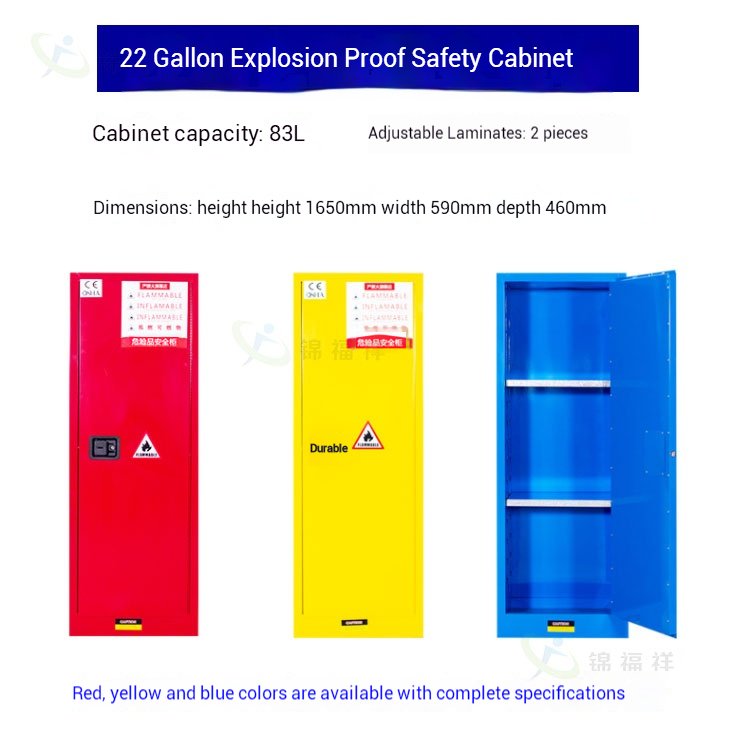
- Industrial Steel Hazardous Storage Cabinet — Fireproof storage for flammables and combustibles
- Rust-Proof Modular Plastic Lockers — Tool-free assembly with RFID card lock for gyms and pools
- 201 Stainless Steel Medicine Cabinet — Moisture-proof storage for pharmacies and clinics
Need help calculating your locker quantity? Send us your headcount and work pattern, and we will give you a free layout recommendation within 24 hours.