Hospital Locker Requirements: How Infection Control Standards Shape Your Storage Design
Your hospital just bought 200 steel lockers for the staff changing rooms. Eight months later, the infection control team finds rust on 30% of the interior walls, peeling coating on 15% of the doors, and water stains under 10% of the units. Now you are looking at a retrofit that costs 25% more than getting the right lockers in the first place.
This happens more often than you think. In over 30 hospitals and clinics we have supplied, 70% of procurement managers choose lockers based on price and size alone, without factoring in infection control standards. The result: lockers that fail inspection within a year, forcing costly replacements or retrofits.
So what do infection control standards actually require for hospital storage? The answer depends on where the lockers go.
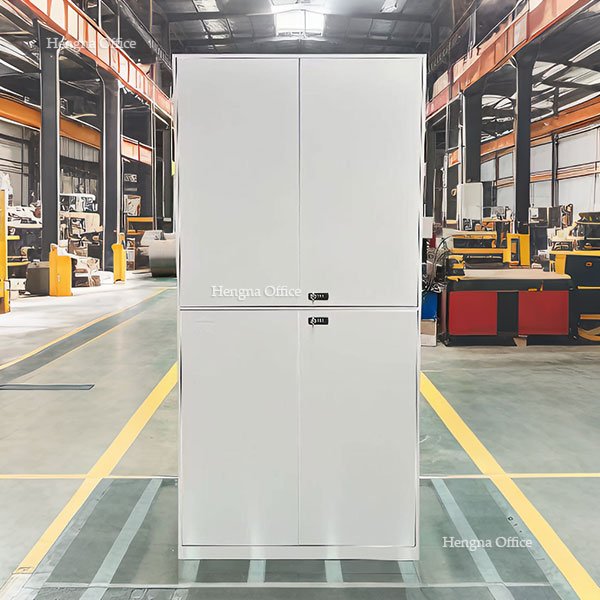
Hospital Infection Control Requirements for Lockers by Zone
High-Risk Zones: Stainless Steel or HPL Only
Operating room changing areas, ICU locker rooms, infectious disease wards, and laboratory staff areas are classified as high-risk. These zones require daily disinfection with chlorine-based solutions. Standard cold-rolled steel with powder coating cannot withstand this — the coating bubbles and peels within 3 to 6 months, exposing bare metal that rusts and harbors bacteria.
For these areas, 304 stainless steel is the minimum requirement. HPL (High-Pressure Laminate) is also acceptable and offers more color options for modern hospital interiors.
Medium-Risk Zones: Cold-Rated Steel with Antibacterial Coating
General ward nursing stations, pharmacy staff areas, and outpatient doctor changing rooms fall into the medium-risk category. Disinfection frequency is lower, but the locker surface must still pass ISO 22196 antibacterial performance testing. Standard cold-rolled steel works here, but the powder coating must be an antibacterial formulation — typically 15 to 20% more expensive than standard coating.
Low-Risk Zones: Standard Cold-Rolled Steel
Administrative offices, logistics staff areas, and visitor storage zones do not require special materials. Standard 0.8mm cold-rolled steel with powder coating is sufficient.
How Four Locker Materials Perform in Hospital Environments
Cold-Rolled Steel (Standard Powder Coating)
Lowest price and shortest factory lead time. However, once the coating is damaged, rust appears within 3 to 6 months. Not suitable for areas with daily chlorine-based disinfection. Best for low-risk zones like administrative offices.
Cold-Rolled Steel (Antibacterial Powder Coating)
Costs 15 to 20% more than standard coating but withstands chlorine-based disinfectants. Coating lifespan is 3 to 5 years before touch-up is needed. Best for medium-risk zones like general ward nursing stations.
304 Stainless Steel
Corrosion-resistant, easy to clean, and lasts over 10 years. Costs 2 to 3 times more than cold-rolled steel. Required for high-risk zones: operating rooms, ICUs, and infectious disease wards.
HPL (High-Pressure Laminate)
Most expensive but most durable. Resists graffiti, withstands all hospital-grade disinfectants, and comes in custom colors. Growing in popularity for high-end hospitals and international clinics.
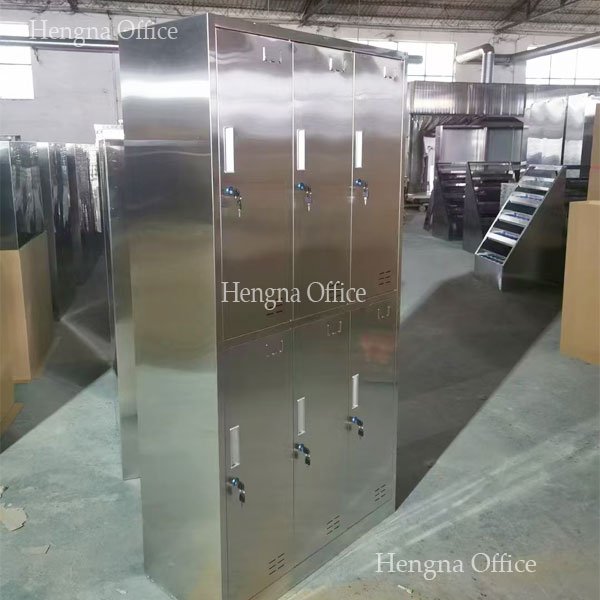
Five Infection Control Issues Inspectors Find on Hospital Lockers
Issue 1: Rust on Interior Walls
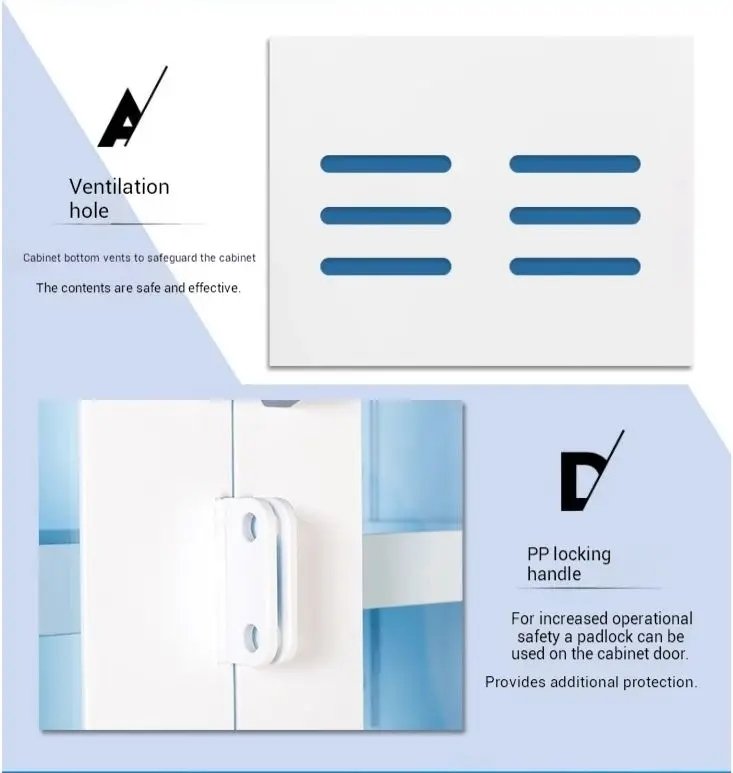
Infection control inspectors open locker doors and check interior surfaces. Rust spots mean automatic failure. The cause: staff hanging wet clothes and towels inside, creating humidity that accelerates corrosion. The fix: choose lockers with ventilation holes in the doors, or install moisture-absorbing packets inside.
Issue 2: Peeling Coating on Locker Doors
When powder coating is damaged by disinfectants, it bubbles and peels. Coating fragments can fall into medications or food. The fix: use stainless steel in high-risk zones, or antibacterial-coated steel in medium-risk zones.
Issue 3: Water Pooling at the Base
During floor cleaning, water splashes onto locker bases. Long-term water exposure causes bottom panels to rust. The fix: choose lockers with raised feet (50 to 100mm clearance), or install waterproof base plates.
Issue 4: Dirt Accumulation in Door Gaps
Door gaps and hinge areas collect dust and bacteria. Inspectors often check these with white gloves. The fix: choose recessed hinges with no exposed gaps, and clean door gaps regularly with cotton swabs.
Issue 5: Unhygienic Lock Mechanisms
Knob locks and handle locks are high-touch surfaces. The fix: choose easy-to-clean lock types such as card readers or keypads, or use handles with antibacterial coating.
Choosing the Right Locker Size for Hospital Use
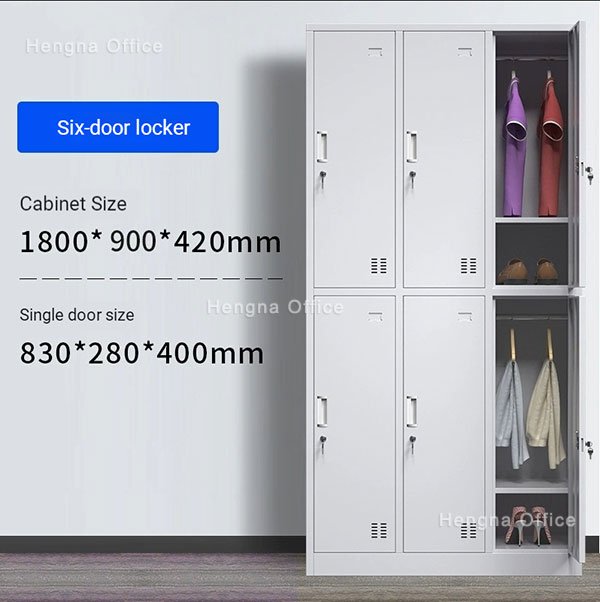
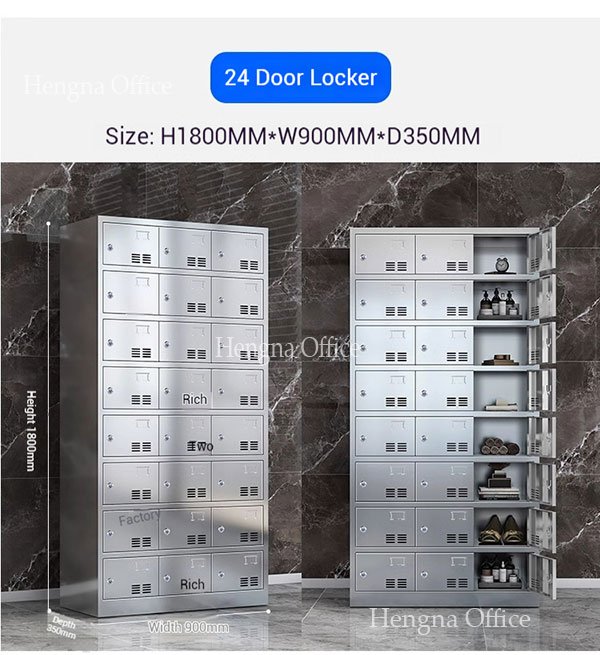
- Staff changing room lockers (W300 × D450 × H1800mm): Fits white coat, casual clothes, shoes, and personal items. One locker per staff member solves all storage needs.
- Nursing station lockers (W300 × D450 × H900mm): Fits bags and jackets only. Double-tier units save floor space.
- Pharmacy storage lockers (W400 × D500 × H1800mm): Wider than standard to fit medical kits and drug samples. 100mm wider than standard lockers for extra capacity.
Four Questions to Ask Before Ordering Hospital Lockers
- Which zone will the lockers be installed in? High-risk zones require stainless steel; low-risk zones can use cold-rolled steel.
- How often are surfaces disinfected? Twice daily or more means stainless steel or antibacterial coating is mandatory.
- Do the lockers need ventilation? Staff changing rooms need ventilated doors for wet clothes; pharmacy areas need sealed doors for dust control.
- Is your budget one-time or phased? Phased procurement must maintain consistent material and coating to avoid mixed infection control standards.
Real Retrofit Case: What Happens When You Choose Wrong
A tier-3 hospital in central China purchased 200 standard cold-rolled steel lockers for nursing staff changing rooms in 2023. After 8 months of use, the infection control inspection found:
- 30% of locker interiors had rust spots
- 15% of door coatings were peeling
- 10% of bases showed water damage
The retrofit solution: 120 lockers received 304 stainless steel door panels (replacing only doors, not entire units, saved 40% of cost), and 80 lockers received antibacterial coating touch-ups. Total retrofit cost was 25% higher than if they had ordered antibacterial-coated lockers from the start.
The lesson: Antibacterial-coated cold-rolled steel costs only 15% more than standard coating. Choosing the right coating upfront eliminates the need for costly retrofits.
Frequently Asked Questions
Can I use cold-rolled steel lockers in an ICU changing room?
No. ICU is a high-risk zone that requires daily chlorine-based disinfection. Standard cold-rolled steel coating will fail within months. Use 304 stainless steel or HPL for ICU areas.
How long do stainless steel lockers last in a hospital?
304 stainless steel lockers typically last 10 to 15 years in hospital environments with proper maintenance. This makes them more cost-effective over their lifespan despite the higher upfront cost.
Do I need antibacterial coating on locker handles?
Yes, for medium-risk and high-risk zones. Handles are high-touch surfaces that transfer bacteria. Antibacterial coating on handles reduces cross-contamination risk between staff members.
Can I order custom-sized lockers for non-standard spaces?
Yes. Our factory in Luoyang Pangcun supports non-standard dimensions. Minimum order quantity is 50 units, with a lead time of 15 to 20 days.
Choose Right the First Time
Hospital locker procurement is not a one-size-fits-all decision. Infection control standards dictate material choices, and material choices determine lifespan and maintenance costs. Get it right, and your lockers last 10 years without issues. Get it wrong, and you are looking at a costly retrofit within 12 months.
Need help choosing the right locker material for your hospital zones? Send us your floor plan and zone classifications, and we will give you a free material recommendation within 24 hours.
Explore More
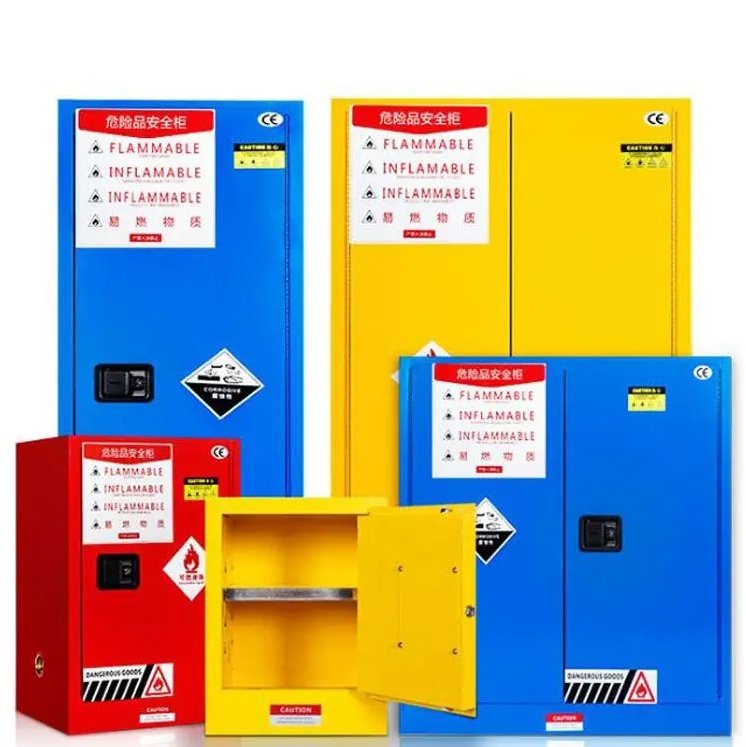
- Industrial Steel Hazardous Storage Cabinet — Fireproof storage for flammables and combustibles
- Rust-Proof Modular Plastic Lockers — Tool-free assembly with RFID card lock for gyms and pools
- 201 Stainless Steel Medicine Cabinet — Moisture-proof storage for pharmacies and clinics