Vet Hospital Lockers for Wet Treatment Areas — ABS Storage That Handles Disinfectants & Humidity All Day
Different Areas in a Vet Hospital Need Different Lockers
A vet hospital isn’t one big room. Surgery. Disinfection prep. Animal wash-down. Isolation ward. Staff changing area. Each zone throws something different at the lockers.
Disinfection Prep Area — Hit With Chemicals All Day, Every Day
This might be the harshest spot in the building for a locker.
Pre-cleaning of surgical instruments happens here. Bleach on the countertops. Diluted quaternary ammonium on the floor. Peracetic acid in the air. Staff reach for supplies wearing rubber gloves covered in disinfectant residue, then grab the locker handle with those same gloves. Steel lockers in this zone — the paint bubbles within three months of disinfectant contact. Peels off at six months. Once bare metal is exposed, rust spreads inward from the spot. Door jams within a year.
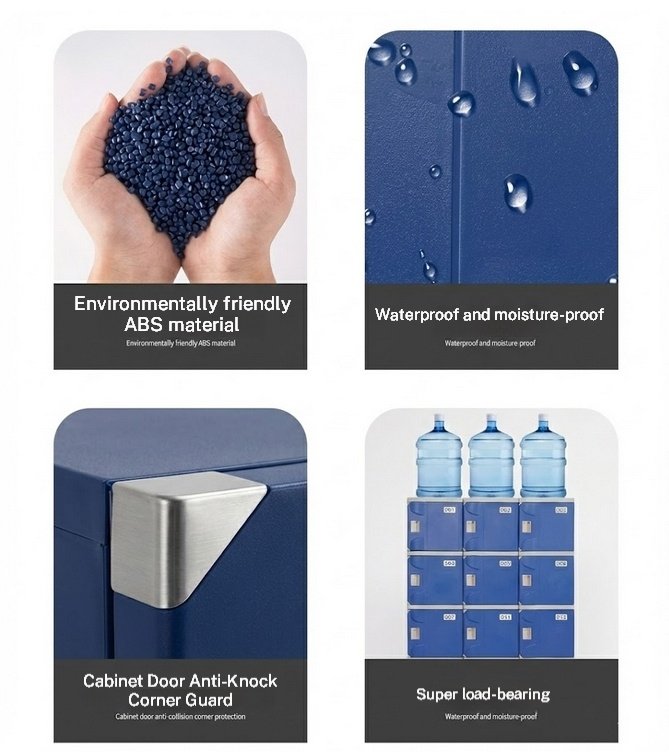
ABS lockers don’t win here because they’re “rust-proof.” They win because the material simply doesn’t react to these chemicals. Bleach splashes on — wipe it off. Quaternary ammonium drips — rinse it. Peracetic acid residue sits on the surface — hose it down at the end of the shift. Nothing happens.
A veterinary chain in Thailand installed 60 ABS units in their disinfection area last year. Six months later, photos came back — no corrosion anywhere. Their procurement lead said: “Steel lockers in this zone averaged just over a year. We were replacing them annually. These ones should still be here next year.”
Animal Wash-Down Area — Water, Hair, Blood, High Contamination
After surgery, after bathing, after wound treatment — the water never really stops in this zone.
What the lockers hold here: clean gauze, bandages, sterile packs, disposable gloves. If these get damp, they’re ruined. Steel lockers have a second problem here that isn’t about rust — it’s about moisture inside the cabinet. Condensation. Splash from the wash station. The humidity inside a steel locker in this zone can be higher than outside.
ABS cabinets don’t absorb water. Door seals tight. Interior stays dry. The 19.7″ depth fits standard medical supply boxes without forcing them in.
Isolation Ward — Where Compliance Actually Gets Enforced
If an inspector flags your isolation ward for rusted equipment, you’re not just buying new lockers. You’re dealing with a compliance shutdown.
ABS has a non-porous surface. No place for bacteria to hide. One pass with a disinfectant wipe or steam cleaner and it’s done. A steel locker with rust on the welds or screw holes — that’s a microbial shelter. Can’t be cleaned completely. A lot of vet hospitals buy ABS lockers specifically for the isolation ward. Not because the steel lockers broke — because they stopped trusting them.
Staff Changing Area — Heavy Use, Zero Maintenance Budget
The most ignored zone in any vet hospital. Assistants and vets change scrubs, grab phones, store personal items. They touch the locker handles with hands covered in disinfectant residue. Steel lockers start rusting around the handle within a year. But nobody’s going to schedule rust removal for the staff changing room — it’s not worth the manpower.
An ABS locker in that spot just sits there for five years. Door opens dry. Handle stays the same color.
Why This Size Works in a Vet Hospital
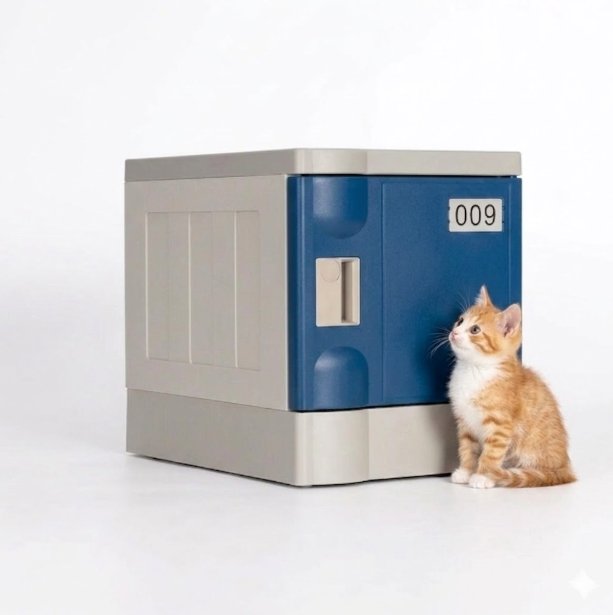
382×500×390mm. Half-height, single door. Here’s why this footprint beats a bigger cabinet in an animal hospital:
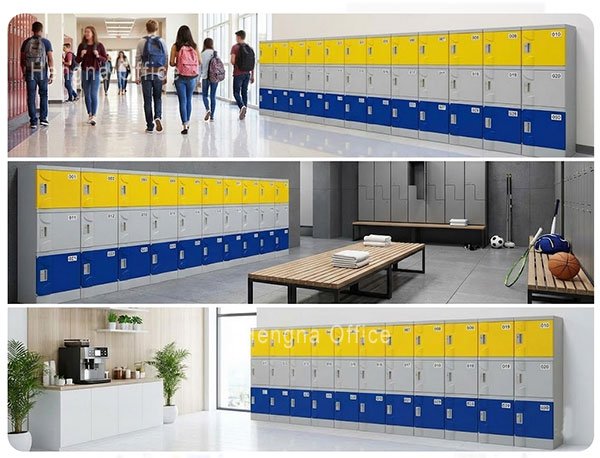
15″ wide — fits the leftover wall space. The usable wall in a vet hospital gets eaten by equipment, pipes, and handwashing stations. What’s left is narrow. At 15″ per unit, a two-meter corridor holds five lockers in a row.
19.7″ deep — standard medical supply boxes slide right in. Sterile packs, gauze boxes, disposable glove boxes are typically around 400mm wide. 19.7″ deep (500mm) plus the door-back storage pocket fits one standard box and an extra roll of something.
15.4″ half-height — two rows stacked, top row still reachable. Two units stacked total just 30.8 inches. Most staff can open the top locker without a step stool. No crouching to reach the bottom one — and that matters when the floor in a wet zone is never dry.
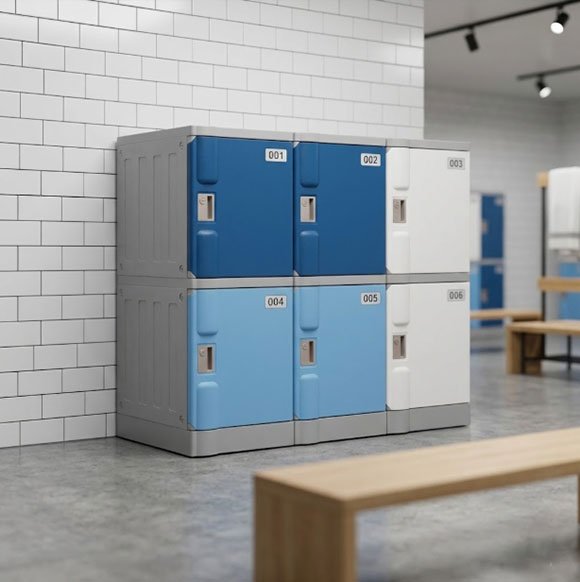
Vet Hospital Lockers for Wet Treatment Areas Technical Specifications
| Item | Spec |
|---|---|
| Model | HNJUNTUO-ABS310 |
| External size | 15″W × 19.7″D × 15.4″H |
| Base height | 3″ |
| Internal compartment height | 12.2″ (total 15.4″ minus 3″ base) |
| Internal depth | ~18.9″ (minus door panel thickness) |
| Material | ABS engineering plastic, injection molded, no paint finish |
| Body color | Gray (standard) |
| Door color | Yellow (standard); custom: pink, white, green, blue |
| Lock type | Key lock (standard) / Digital combo lock / RFID (optional) |
| Installation | Single unit, modular stacking |
| Water resistance | Hose-down safe, pressure washer compatible |
| Chemical resistance | Tolerates bleach, quaternary ammonium, peracetic acid, 75% alcohol |
| Environment | Indoor wet zone, disinfection area |
| Temperature range | -4°F to 122°F continuous; brief -22°F to 158°F |
| Unit weight | ~14.3 lbs (lightweight, no heavy equipment needed for install) |
| Hardware included | Cabinet connectors, floor anchor bolt holes, adjustable shelf, door-back storage pocket |
| MOQ | Project-based; volume orders negotiable |
| Shipping | Domestic / International sea freight |
3 Questions Vet Hospital Buyers Ask
Q: Will disinfectants corrode the locker surface?
Bleach (sodium hypochlorite), quaternary ammonium compounds, peracetic acid, 75% alcohol — ABS tolerates all four common vet hospital disinfectants. Normal wipe-down after contact. No discoloration, softening, or peeling. Avoid prolonged submersion in concentrated bleach, strong acids, or strong bases.
Q: Will this pass a hygiene compliance check?
ABS has a non-porous surface. A disinfectant wipe brings it to the daily cleaning standard required for clinical zones. If your hospital has a specific equipment acceptance checklist, we’ll provide the material datasheet and spec documentation to go with it.
Q: What’s the timeline from order to install?
Standard volume (50-200 units): 15-25 days from order confirmation to shipment. Sea freight time depends on destination. Modular design — no welding or heavy equipment needed on site. Two people can install 30 units in a day. Larger orders or rush delivery available on request.
Got a vet hospital or animal clinic that needs wet-zone storage? Send us the floor area of your disinfection or wash-down zone and the number of lockers you need. We’ll map the layout and send a quote.